


Welcome to the podcast Organized Money. You can listen to today’s episode on Apple on Spotify, or wherever you get your podcasts.
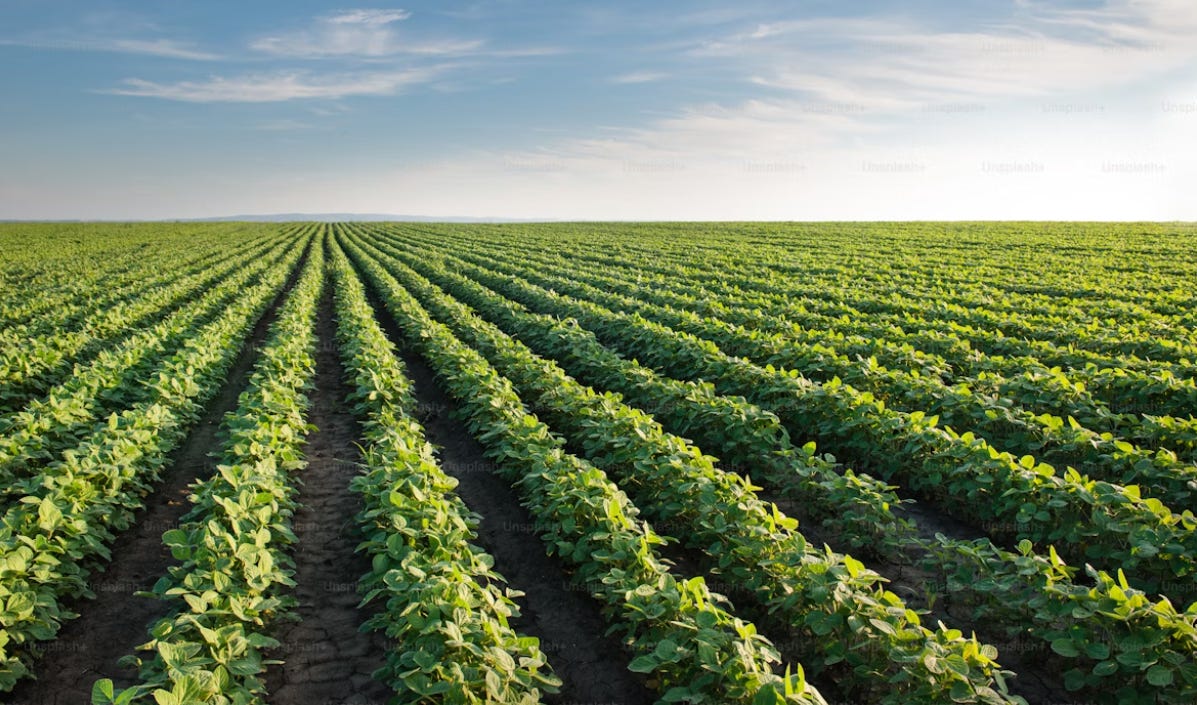
It’s one of the most surprising and least understood stories in American agriculture: the monopoly over the seeds that grow our food. Farmers are facing a “seed squeeze,” where two companies, Bayer and Corteva, control 90% of the seed corn market, driving up prices even as crop profits fall. Matt and David speak with Independent seed producer John Latham and industry veteran Todd Martin about how intellectual property, patents, and corporate consolidation have turned seeds into billion-dollar assets to the point that farmers sometimes destroy perfectly good seed just to survive and ultimately impact your grocery bill.
Listen via Apple or Spotify, or wherever you get your podcasts.
Another thing we’re doing this year is providing transcripts and video for every episode. Check your inbox for that soon.
Thank you so much for listening. If there’s a monopoly you’d like us to explore this year, or if you have anything else to tell us, please let us know by leaving a comment or by responding directly to this email.
Reminded me of this guy who earned a nobel prize for helping figure out how to stop a disease called "rust" that affected wheat. Back then, we basically used that as a tool in foreign policy to help india avoid a famine because we weren't led by complete idiots:
https://en.wikipedia.org/wiki/Norman_Borlaug
Another thought about the end is it might be good for the democrats to pick up on the "essential worker" stuff from covid completely disappearing. Like, a line like "When you couldn't leave your house, these workers essential. Now they're essentially worthless?"
Really interesting convo. So frustrating to hear how this problem flies below the radar and is jeopardizing our nation's farmers and farms. Ultimately we'll all pay for the greed of a few. Thank you to your guests who explained the problem so clearly that even I (a lifelong urban dweller) can understand.